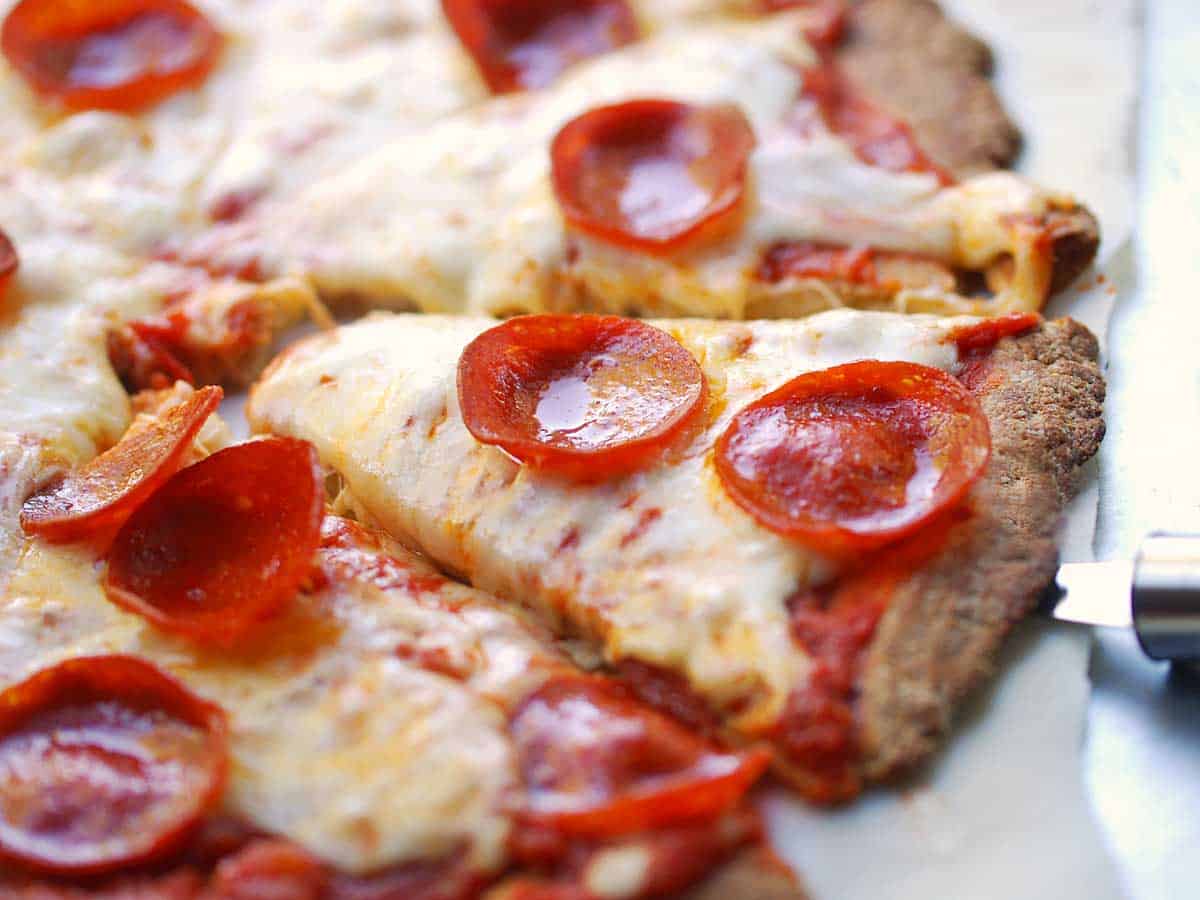
Pizza night just got a whole lot healthier without sacrificing an ounce of flavor or that satisfying crunch. For many of us, pizza is the ultimate comfort food, a universal favorite that brings joy and togetherness. But traditional pizza often comes with a hefty dose of refined carbohydrates, gluten, and a subsequent heavy feeling. What if you could enjoy your favorite pie guilt-free, knowing every bite contributes to your well-being? Enter the revolutionary almond flour pizza crust – a true game-changer for anyone embracing a keto, low-carb, or gluten-free lifestyle.
This innovative crust transforms your pizza experience, allowing you to indulge in a healthy, homemade alternative that’s surprisingly easy to make. Forget the days of compromising on taste for health; with an almond flour pizza crust, you get the best of both worlds. It’s sturdy enough to hold your favorite toppings, thin enough for that delightful crisp, and boasts a rich, nutty flavor that complements any sauce or topping combination. Let’s dive into the world of this incredible keto crust and uncover the health benefits that make it a staple in conscious kitchens everywhere.
Why Choose Almond Flour for Your Pizza Crust? Unveiling the Health Benefits
The shift from traditional wheat-based crusts to an almond flour pizza crust isn't just a trend; it's a mindful choice backed by significant health advantages. Almond flour stands out as a superior ingredient for several compelling reasons:
- Keto and Low-Carb Friendly: This is arguably the most significant benefit. Refined white flour is packed with carbohydrates, which can spike blood sugar and interfere with ketosis. Almond flour, derived from finely ground blanched almonds, is incredibly low in net carbs, making it ideal for those following ketogenic or low-carb diets. This helps maintain stable blood sugar levels and supports metabolic health.
- Naturally Gluten-Free: For individuals with celiac disease, gluten sensitivity, or those simply choosing to avoid gluten, almond flour is a godsend. It provides a delicious and robust alternative without triggering adverse reactions often associated with wheat, barley, or rye.
- Rich in Healthy Fats: Almonds are renowned for their monounsaturated fats, the same heart-healthy fats found in olive oil and avocados. These fats are crucial for brain function, hormone production, and nutrient absorption. Unlike the unhealthy saturated fats often found in processed foods, the fats in almond flour contribute to satiety and overall cardiovascular health.
- Excellent Source of Protein: Feeling full and satisfied after a meal is key to healthy eating habits. Almond flour boasts a significantly higher protein content than wheat flour. Protein helps build and repair tissues, supports muscle growth, and keeps hunger at bay, preventing overeating.
- Packed with Dietary Fiber: Fiber is essential for digestive health, promoting regularity and feeding beneficial gut bacteria. The high fiber content in an almond flour pizza crust aids in digestion, contributes to feelings of fullness, and can help regulate blood sugar levels, mitigating the "post-pizza crash" often associated with traditional crusts.
- Lower Glycemic Index: Due to its low carbohydrate and high fiber/protein/fat content, almond flour has a much lower glycemic index than wheat flour. This means it causes a slower, more gradual rise in blood sugar, preventing the energy dips and cravings that often follow high-carb meals.
- Rich in Micronutrients: Beyond the macronutrients, almond flour is a treasure trove of vitamins and minerals. It's a good source of Vitamin E (a powerful antioxidant), magnesium (important for muscle and nerve function, blood sugar control, and blood pressure regulation), and manganese (crucial for bone health and metabolism).
By opting for an almond flour pizza crust, you're not just choosing a delicious meal; you're actively supporting your health goals, enjoying comfort food without compromise, and nourishing your body with high-quality ingredients.
Crafting Your Perfect Keto Almond Flour Pizza Crust: A Step-by-Step Guide
Creating a delicious and sturdy almond flour pizza crust might seem daunting, but it's surprisingly simple. With just a few key ingredients and steps, you can achieve that sought-after crispy, flavorful base. This recipe prioritizes ease and quality, ensuring a perfect pizza every time.
Gathering Your Essential Ingredients
Success begins with quality ingredients. For a foundational 3-ingredient almond flour pizza base, you'll need:
- Finely Ground Blanched Almond Flour: This is crucial. "Blanched" means the skins have been removed, resulting in a lighter texture and milder flavor. "Finely ground" ensures a smooth, non-gritty crust.
- Large Eggs: These act as the primary binder, giving the dough structure and richness. For an egg white and almond flour pizza crust, you can substitute 1/2 cup egg whites for two large eggs.
- Olive Oil or Melted Butter: Adds moisture, richness, and aids in crisping.
To elevate your crust, consider these optional additions:
- Dried Herbs: Oregano, basil, or Italian seasoning impart that classic pizza aroma and flavor. A pinch of garlic powder can also work wonders.
- Baking Powder: For a slightly fluffier texture, a teaspoon can make a difference.
- Psyllium Husk: A tablespoon can significantly improve the dough's elasticity and overall texture, especially if you're aiming for a chewier feel.
- A Pinch of Salt: Essential for balancing flavors.
- Coconut Flour (1-2 tablespoons): Can absorb extra moisture and add a touch of subtle sweetness, complementing the almond flour beautifully.
Pro Tip: Ensure your toppings are prepped and ready before you start on the crust. Opt for drier toppings to prevent a soggy crust.
Mixing, Resting, and Rolling Your Gluten-Free Pizza Dough
- Combine Ingredients: In a bowl, whisk together your almond flour, eggs, olive oil (or butter), and any optional dry ingredients like herbs, baking powder, or psyllium husk. Mix until a cohesive dough forms.
- Rest the Dough: This step is often overlooked but critical! Let the dough rest for about 5-10 minutes. This allows the almond flour to properly hydrate and absorb the liquids, making the dough much easier to handle and roll out. If the dough feels too wet, add an extra tablespoon of almond flour.
- Roll it Out: Place the dough between two sheets of parchment paper. Roll it out evenly to your desired thickness (typically 1/8 to 1/4 inch). Aim for a uniform thickness to ensure even baking.
The Secret to a Crispy Almond Flour Pizza: Pre-Baking!
This is the most vital step to achieve crispy low carb pizza with almond flour and prevent the dreaded "soggy middle."
- Pre-bake the Crust: Carefully transfer the parchment paper with the rolled-out crust to a baking sheet. Bake in a preheated oven (usually around 375-400°F or 190-200°C) for 8-12 minutes, or until the edges start to turn golden brown and the crust is firm. This step cooks out excess moisture and sets the structure of the low carb pizza crust.
Adding Your Paleo-Friendly Pizza Crust Toppings
- Layer with Care: Once your crust is pre-baked, remove it from the oven. Spread a thin layer of your favorite low-sugar pizza sauce. Overload the sauce, and you risk re-introducing moisture!
- Cheese and Beyond: Sprinkle a generous amount of mozzarella cheese (or a dairy-free alternative). Then, add your chosen meats and veggies. Think crispy bacon, sliced mushrooms, bell peppers, or even inspired flavors like roasted chicken with a pesto base.
- Don't Overload: Remember, less is often more, especially in the center of the pizza. Too many heavy or watery toppings can make the paleo-friendly pizza crust difficult to pick up and compromise its crispness. Finish with a sprinkle of extra herbs for aroma.
The Final Bake and Serving
- Second Bake: Slide the pizza back into the oven for another 10-15 minutes, or until the cheese is bubbly and golden, and the crust reaches a deep golden brown. The smell of toasted almonds and melting cheese will fill your kitchen—it's pure heaven!
- Rest and Slice: Crucially, let the pizza sit for 2-3 minutes before slicing. This allows the structure to set, preventing floppy slices. Use a sharp pizza cutter to serve. Your family will be amazed at how delicious and satisfying this healthier alternative is!
Beyond the Basics: Tips for a Flawless Almond Flour Pizza Experience
Mastering the almond flour pizza crust opens up a world of culinary possibilities. Here are some extra tips and insights to ensure every pizza night is a resounding success:
- Oven Temperature Matters: While 375-400°F (190-200°C) is a good starting point, some ovens run hotter or colder. Get to know your oven and adjust slightly to achieve that perfect golden hue without burning. A preheated pizza stone or steel can also greatly enhance crispiness.
- Preventing Sticking: Always use parchment paper! It’s your best friend for rolling out and transferring the delicate almond flour dough without it sticking to surfaces or falling apart.
- Flavor Variations: Don't limit yourself to Italian herbs. Experiment with a touch of smoked paprika for a southwestern feel, or a sprinkle of za'atar for a Middle Eastern twist. You can even add a tablespoon of nutritional yeast to the dough for a cheesy umami flavor without dairy.
- Make-Ahead & Storage: You can pre-bake your almond flour crusts and store them in an airtight container in the fridge for up to 3-4 days, or freeze them for up to a month. This makes weeknight pizza incredibly fast and convenient. Just pull it out, add toppings, and bake!
- Troubleshooting Soggy Crust: If you find your crust is still soggy, consider these points:
- Did you pre-bake sufficiently?
- Were your toppings too wet? (Drain excess liquid from mushrooms, spinach, etc.)
- Did you overload the pizza?
- Is your oven hot enough?
FAQs about Almond Flour Pizza Crust
Is almond flour pizza crust better for you than regular crust?
Absolutely! Compared to traditional refined white flour crusts, an almond flour pizza crust is superior due to its higher content of protein, healthy fats, and dietary fiber. It's significantly lower in net carbohydrates and has a much lower glycemic index, making it an excellent choice for blood sugar management, weight management, and those following keto, low-carb, or gluten-free diets. It provides sustained energy and greater satiety.
Does almond flour pizza crust taste different?
Yes, but in a delicious way! While it won't have the exact elastic chew of a traditional glutinous crust, it offers a pleasant, mild nutty flavor that complements most pizza toppings beautifully. Its texture is typically crispier and a bit more tender, offering a delightful alternative that many prefer once they try it.
Can I make almond flour pizza crust ahead of time?
Yes! Pre-baking the crust and storing it is a fantastic way to save time. Once pre-baked and cooled, you can store the crust in an airtight container at room temperature for a day, in the refrigerator for 3-4 days, or even freeze it for up to a month. When ready to use, simply add your toppings and bake as usual.
How do I prevent my almond flour pizza crust from cracking when rolling?
The key here is adequate resting time for the dough (5-10 minutes) and rolling it between two pieces of parchment paper. If the dough feels too dry or crumbly, you might need to add a tiny bit more olive oil or an extra teaspoon of beaten egg. Rolling gently and evenly will also help prevent cracks.
Embracing an almond flour pizza crust isn't just about adhering to dietary restrictions; it's about elevating your culinary experience. It offers a guilt-free indulgence, packed with nutrients, fiber, and healthy fats, all while delivering that satisfying pizza experience we all crave. This keto crust empowers you to enjoy your favorite comfort food with confidence, knowing you're making a delicious and healthy choice for yourself and your loved ones. So, next time pizza night rolls around, ditch the heavy, refined dough and welcome the magic of almond flour into your kitchen – your taste buds and your body will thank you!
